
Predict Your Next Period Date and Track Your Menstrual Cycle for Better Planning
Predict your next period date and track your menstrual cycle with our period calculator. Estimate cycle timing for better planning and fertility awareness.
Period Calculator
Predict your next period date and track your menstrual cycle for better planning and cycle awareness.
About This Period Calculator
This period calculator estimates your next period date, expected cycle timing, and upcoming fertile window based on your last period and average cycle length.
Menstrual cycles can vary between individuals and from cycle to cycle, so the results should be used as general guidance rather than exact prediction.
The result is an informational estimate and does not replace advice from a qualified healthcare professional.
Period Calculator (2026) – Next Period Date & Cycle Tracker
Policy Declaration: This article is published for educational and informational purposes only. It explains menstrual cycle tracking, period prediction, and fertility awareness using evidence-based information. We do not provide medical diagnoses or treatment recommendations. Individual cycle patterns may vary.
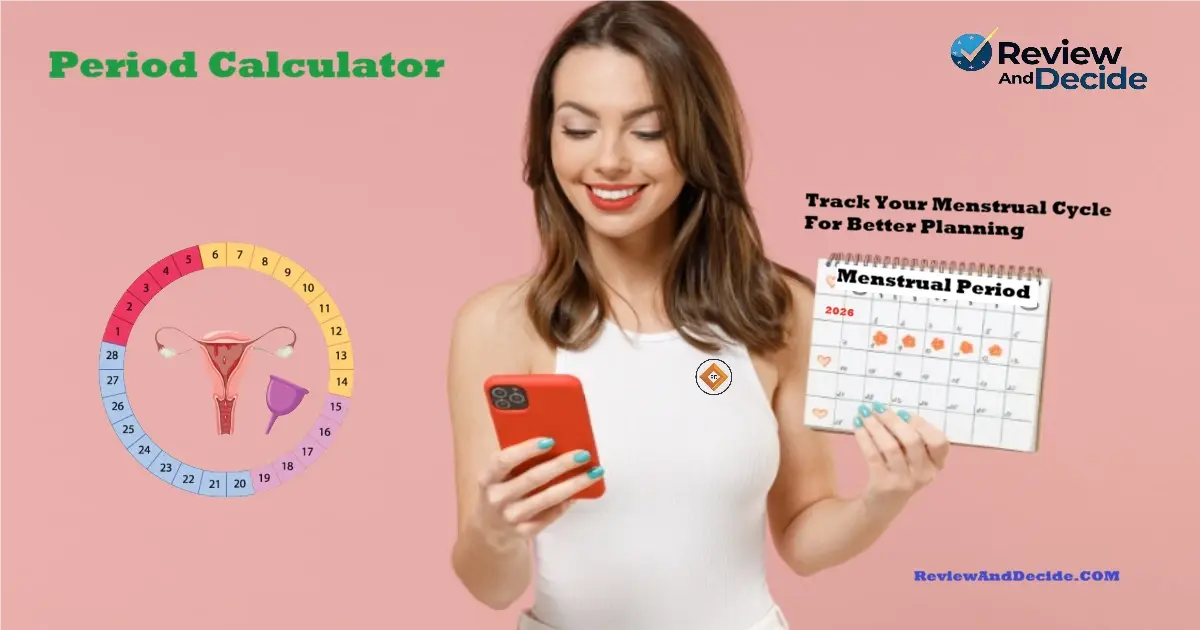
What Is a Period Calculator?
A period calculator is a tool designed to estimate the expected start date of your next menstrual period by analyzing your cycle length and the first day of your last period (LMP). It uses standard menstrual cycle patterns to provide a practical prediction of upcoming cycle timing.
Rather than giving an exact date, the calculator offers a data-based estimate that helps individuals better understand how their cycle typically progresses over time.
Why It Is Useful
A period calculator can support:
- Tracking menstrual cycle patterns
- Predicting upcoming periods
- Improving awareness of cycle timing
- Recognizing changes or irregularities
Key Insight
👉 It is widely used for planning, cycle tracking, and fertility awareness, helping individuals make more informed decisions based on their menstrual cycle patterns.
Understanding the Menstrual Cycle
The menstrual cycle is a recurring biological process that prepares the body for potential pregnancy. It is regulated by hormonal signals and involves a series of coordinated changes in the ovaries and uterus throughout each cycle.
Understanding these phases helps provide better insight into cycle timing, fertility patterns, and overall reproductive health.
Key Phases of the Cycle
1️⃣ Menstrual Phase
This phase marks the beginning of the cycle.
- The uterine lining is shed, resulting in menstrual bleeding
- Typically lasts between 3 to 7 days
- Hormone levels (estrogen and progesterone) are at their lowest
2️⃣ Follicular Phase
This phase overlaps with the menstrual phase and continues afterward.
- The body begins preparing for ovulation
- Follicle-stimulating hormone (FSH) encourages the development of ovarian follicles
- One dominant follicle matures into an egg
3️⃣ Ovulation Phase
Ovulation is the midpoint of the cycle.
- A mature egg is released from the ovary
- Triggered by a surge in luteinizing hormone (LH)
- This is the most fertile phase of the cycle
4️⃣ Luteal Phase
This phase occurs after ovulation.
- The body produces progesterone to support the uterine lining
- If fertilization does not occur, hormone levels drop
- The cycle resets, leading to the next menstrual phase
Cycle Length and Variation
👉 A typical menstrual cycle lasts 21 to 35 days, though this can vary between individuals and even from month to month.
Understanding the menstrual cycle and its phases provides a foundation for tracking periods, predicting ovulation, and improving overall awareness of reproductive health patterns.
How the Period Calculator Works
A period calculator estimates your next menstrual cycle by analyzing basic cycle timing and applying commonly observed biological patterns. It provides a structured way to understand when your next period may begin, along with related cycle events.
Rather than predicting exact dates, the calculator offers a data-based estimate to help track trends and improve cycle awareness over time.
Key Inputs Used
To generate estimates, the calculator uses the following inputs:
- First day of last menstrual period (LMP)
This marks the starting point of your current cycle (Day 1). - Average cycle length
The total number of days between one period and the next, used to predict future timing. - Period duration (optional)
Helps estimate how long your menstrual phase may last within the cycle.
Calculation Method
1️⃣ Cycle Tracking
The calculator first determines your cycle pattern based on your LMP and average cycle length.
👉 This establishes the timeline for all further predictions.
2️⃣ Next Period Prediction
The expected start date of your next period is calculated using:
👉 Next Period ≈ LMP + Cycle Length
This provides an estimate of when the next menstrual cycle may begin.
3️⃣ Ovulation Estimation
Ovulation is estimated using a standard biological assumption:
👉 Ovulation ≈ Cycle Length − 14 days
This is based on the typical length of the luteal phase, which tends to remain relatively consistent.
4️⃣ Fertile Window Estimation
The calculator then identifies the fertile window, which represents the most likely time for conception:
- 5 days before ovulation
- Ovulation day
- 1 day after ovulation
👉 This reflects the combined lifespan of sperm and the egg.
Important Consideration
- Cycle timing can vary from month to month
- Ovulation may not occur on the exact predicted day
- External factors can influence results
👉 A period calculator provides a general estimate based on cycle patterns, not an exact prediction.
It is best used as a guidance tool for tracking trends and improving awareness of menstrual cycle timing.
Why Tracking Your Period Matters
Tracking your menstrual cycle provides valuable insight into your overall health and helps you better understand how your body changes over time. Because the menstrual cycle is influenced by hormonal balance, it can serve as an important indicator of reproductive and general well-being.
Regular tracking allows individuals to observe patterns, recognize changes, and make more informed decisions related to health, planning, and daily life.
Key Benefits of Period Tracking
✔ Predict Upcoming Periods
Helps estimate when your next period may begin, making it easier to plan ahead and avoid unexpected disruptions.
✔ Understand Cycle Patterns
Provides a clearer view of cycle length, timing, and consistency across months.
✔ Identify Irregularities
Makes it easier to notice changes such as delayed periods, shortened cycles, or missed cycles that may require attention.
✔ Support Fertility Awareness
Helps identify fertile windows and ovulation timing, supporting better understanding of reproductive patterns.
✔ Plan Lifestyle and Activities
Allows better scheduling of travel, events, workouts, and daily routines based on cycle phases.
Why Consistency Matters
Tracking your cycle over time helps build a more accurate picture of your individual patterns rather than relying on single-cycle estimates.
👉 Small variations are normal, but consistent tracking improves long-term awareness and understanding.
👉 Regular period tracking is a simple yet effective way to monitor menstrual health, recognize patterns, and improve overall awareness of your body’s natural cycle.
Factors That Affect Period Timing
The timing of your period can vary from cycle to cycle due to a combination of hormonal, lifestyle, and health-related factors. While general patterns provide guidance, individual variation is completely normal.
Key Factors Influencing Period Timing
-
Hormonal Changes
Fluctuations in hormones such as estrogen and progesterone can shift the timing of ovulation and, in turn, affect when your period begins. -
Stress
Physical or emotional stress can influence the hormonal system, potentially delaying or altering the menstrual cycle. -
Diet and Nutrition
Changes in eating habits or nutritional intake may impact hormonal balance and cycle regularity. -
Physical Activity
Both low activity levels and intense exercise can affect cycle timing, especially if they influence energy balance. -
Sleep Patterns
Irregular sleep or poor sleep quality may disrupt hormonal rhythms that regulate the menstrual cycle. -
Health Conditions
Certain conditions, such as hormonal imbalances or reproductive health disorders, can affect cycle consistency.
Important Consideration
👉 Because these factors can vary, cycle variations are normal and occasional changes in timing are expected.
Signs Your Period Is Approaching
As the menstrual cycle progresses toward the next period, some individuals may experience premenstrual changes linked to hormonal shifts.
Common Premenstrual Signs
-
Mood Changes
Emotional fluctuations such as irritability or low mood may occur due to hormonal changes. -
Bloating
Fluid retention can lead to a feeling of fullness or abdominal swelling. -
Breast Tenderness
Hormonal shifts may cause sensitivity or discomfort in the breast area. -
Fatigue
Changes in hormone levels can affect energy levels, leading to tiredness. -
Mild Cramps
Light abdominal discomfort may occur as the body prepares for menstruation.
👉 These symptoms vary widely between individuals in both intensity and timing, and not everyone will experience all of them.
Period Tracking and Fertility Awareness
Understanding your menstrual cycle can provide valuable insights into your fertility patterns and help identify the days when pregnancy is most likely to occur. Since ovulation is closely linked to cycle timing, tracking your period regularly can serve as a foundation for recognizing fertile windows.
Understanding your cycle can help identify fertile days, and using an ovulation calculator can further improve accuracy by estimating your ovulation timing based on cycle patterns.
How Period Tracking Supports Fertility Awareness
-
Identifies cycle patterns
Regular tracking helps determine average cycle length and timing consistency. -
Estimates ovulation timing
By understanding your cycle, you can approximate when ovulation may occur. -
Highlights fertile days
Tracking helps identify the timeframe when conception is more likely. -
Improves reproductive awareness
Provides a clearer understanding of how your body’s cycle changes over time.
Using Tools Together for Better Insights
👉 Many individuals also use an ovulation calculator to estimate ovulation timing more precisely and improve fertility awareness.
Combining period tracking with ovulation estimation allows for a more complete view of:
-
Cycle timing
-
Fertile window
-
Reproductive patterns
👉 Period tracking and ovulation estimation work together to provide a more accurate understanding of fertility timing, helping individuals make informed decisions related to conception and reproductive health.
Once ovulation timing is understood, a conception calculator can help estimate the most likely time when fertilization may occur within the cycle.
Scientific Context Behind Conception
Conception is a biologically complex process that is regulated by a coordinated sequence of hormonal signals within the reproductive system. These hormonal interactions control ovulation, fertilization, and the preparation of the body for early pregnancy.
Key Hormonal Mechanisms
- Follicle-Stimulating Hormone (FSH)
FSH initiates the cycle by stimulating the growth and maturation of ovarian follicles, each containing an immature egg. - Estrogen
As follicles develop, estrogen levels increase, helping to prepare the uterine lining and signaling the body that ovulation is approaching. - Luteinizing Hormone (LH Surge)
A rapid increase in LH triggers ovulation, releasing a mature egg from the ovary into the fallopian tube. - Progesterone
After ovulation, progesterone supports the uterine lining, creating favorable conditions for implantation if fertilization occurs.
Fertilization Process
Once ovulation occurs:
- The egg travels through the fallopian tube
- Sperm may already be present due to its longer lifespan
- Fertilization occurs when a sperm successfully penetrates the egg
👉 This results in the formation of a zygote, which begins early cellular division.
Biological Coordination
These processes are carefully timed to ensure that:
- A mature egg is released at the optimal moment
- The reproductive tract supports sperm survival
- The uterine lining is prepared for implantation
👉 Conception is the result of a precisely regulated hormonal sequence that aligns ovulation, fertilization, and early embryonic development, although natural biological variation means timing may differ between individuals.
Final Educational Summary
A period calculator is a simple and effective tool for predicting menstrual cycles and improving reproductive awareness. While it provides useful estimates, individual variation is common due to hormonal and lifestyle factors.
Tracking your cycle consistently and combining it with other tools can help you better understand your body and plan accordingly.
Conclusion
A period calculator is a simple and practical tool for understanding menstrual cycle timing and predicting upcoming periods. By using basic cycle data such as the first day of your last period and average cycle length, it provides helpful estimates that support better planning and awareness.
While these predictions are based on general biological patterns, it is important to remember that menstrual cycles can vary due to hormonal, lifestyle, and health-related factors. Because of this, period calculators should be used as guidance tools rather than exact predictors.
👉 Consistent tracking over time offers the most value, helping you recognize patterns, identify changes, and gain a deeper understanding of your reproductive health.
For a more complete approach to cycle tracking and fertility awareness, you can also explore related tools such as ovulation and pregnancy calculators. Additionally, visit our health calculators hub to access a wide range of tools designed to support your overall health and wellness tracking.
Frequently Asked Questions (FAQ)
How accurate is a period calculator?
It provides estimates based on cycle patterns, but actual timing may vary.
Can cycle length change?
Yes, cycle length can vary due to hormonal and lifestyle factors.
What is a normal cycle length?
Typically between 21 and 35 days.
Can stress delay a period?
Yes, stress can affect hormonal balance and cycle timing.
When should I see a doctor?
If cycles are consistently irregular or periods are missed frequently.
Can I track fertility using a period calculator?
Can I track fertility using a period calculator?
It can provide general guidance, but ovulation tracking tools are more precise.
Medical Disclaimer
This content is for educational purposes only and does not replace professional medical advice.
📚 High-Authority References & Sources
Below are trusted medical and public health sources that provide research-based information on menstrual cycles, ovulation, conception timing, and reproductive health:
🔗 NIH / PubMed – Reproductive & Fertility Research
The National Institutes of Health (NIH) provides access to peer-reviewed scientific research through PubMed, covering topics such as ovulation, conception, and reproductive physiology.
Research indicates that conception is closely linked to ovulation timing and the fertile window, which typically spans several days before ovulation due to sperm survival and egg viability.
PubMed-supported studies help explain how hormonal regulation, ovulation timing, and biological variability influence fertility and conception outcomes.
🔗 CDC – Menstrual & Reproductive Health
The Centers for Disease Control and Prevention (CDC) provides evidence-based guidance on menstrual health, fertility awareness, and reproductive function.
According to CDC insights, regular menstrual cycles often indicate normal ovulation patterns, while irregular cycles may reflect ovulatory variations or underlying conditions.
These resources support understanding of how cycle tracking relates to reproductive health and fertility.
🔗 Mayo Clinic – Ovulation & Conception Guide
The Mayo Clinic offers medically reviewed information on ovulation, fertility timing, and conception.
Clinical guidance explains that:
- The egg remains viable for about 12–24 hours after ovulation
- Sperm can survive for 3–5 days in the reproductive tract
- Pregnancy is most likely when sperm is present during ovulation
These findings highlight why conception occurs within a limited biological window.
🔗 WHO – Reproductive & Maternal Health
The World Health Organization (WHO) emphasizes reproductive health as a key component of overall well-being.
WHO guidance focuses on:
- Safe and informed reproductive care
- Understanding fertility cycles
- Access to reliable health information
This supports global awareness of pregnancy planning and maternal health.
To plan ahead, a due date calculator can help estimate the expected delivery date based on cycle and ovulation timing.
🔗 Harvard Medical School – Reproductive & Hormonal Health
Harvard Medical School provides research-based insights into hormonal regulation, fertility patterns, and reproductive health.
Their educational resources help explain:
- Hormonal cycles affecting ovulation
- Biological timing of conception
- Variability in fertility patterns
These insights reinforce the importance of using tools like calculators as guidance rather than exact prediction methods.