
Frequent Urination in Men Over 40?
Frequent urination in men over 40 can be influenced by prostate enlargement, hormonal changes, and bladder function. Learn what research suggests in this evidence-based educational guide. Frequent urination is one of the most common concerns reported by men over the age of 40. While occasional increases in urinary frequency can be influenced by hydration levels, caffeine intake, or temporary factors, persistent changes may reflect age-related physiological shifts.
After midlife, the male body undergoes gradual hormonal adjustments, metabolic changes, and tissue remodeling processes that can influence urinary patterns. In many cases, the prostate gland plays a central role due to its anatomical position and responsiveness to hormonal signals.

Understanding what causes frequent urination requires a balanced, research-informed perspective. Rather than assuming a single cause, it is important to explore how prostate enlargement, hormonal shifts, bladder function, and systemic health interact over time.
This article provides an educational overview based on publicly available research and guidance from reputable health authorities. It is not intended to diagnose or treat any medical condition.
Understanding How Urination Normally Works
Urination is controlled by a coordinated system involving:
- The kidneys
- The bladder
- The urethra
- The nervous system
- Pelvic floor muscles
The kidneys filter blood and produce urine. Urine then travels to the bladder, where it is stored. When the bladder fills, nerve signals communicate the sensation of fullness to the brain. When appropriate, the bladder muscles contract and the urethral sphincter relaxes, allowing urine to flow.
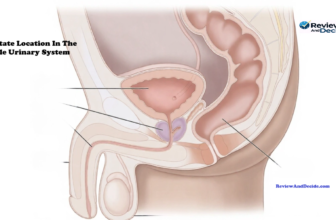
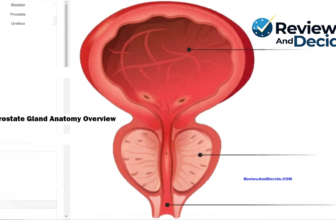
In men, the urethra passes directly through the prostate gland. Because of this anatomical relationship, changes in prostate size may influence urinary flow dynamics.
Normal urination frequency varies, but many adults urinate between 6–8 times per day. Nighttime urination (nocturia) once per night may be considered within normal range, depending on age and fluid intake.
The Prostate’s Role in Urinary Function
The prostate is a walnut-sized gland located just below the bladder and surrounding the upper portion of the urethra. Its primary function is to produce fluid that contributes to semen.
Although the prostate does not produce urine, its position means that any increase in its size can affect the urethral channel. When the prostate enlarges, it may compress or narrow the urethra. This narrowing can alter urinary flow patterns and contribute to symptoms such as:
- Increased frequency
- Weak stream
- Urgency
- Difficulty starting urination
- Feeling of incomplete emptying
For a deeper understanding of prostate anatomy, readers may refer to our detailed overview of how the prostate gland functions.
Because the urethra passes through the prostate, understanding how the prostate gland functions helps explain why urinary changes may occur with age.
Benign Prostatic Hyperplasia (BPH) and Urinary Frequency
One of the most common causes of frequent urination in men over 40 is benign prostatic hyperplasia (BPH).
BPH refers to non-cancerous enlargement of the prostate gland. According to public health sources such as the National Institute on Aging (NIA), prostate growth often begins gradually after age 40 and becomes more common with advancing age.
For a detailed explanation of hormonal and age-related factors, see our guide on what causes an enlarged prostate.
How BPH Contributes to Urinary Symptoms
As the prostate enlarges:
- The urethral opening may narrow
- The bladder may work harder to push urine through
- Bladder muscle thickening may occur over time
- Sensitivity to bladder filling may increase
These changes can lead to:
- More frequent urges to urinate
- Reduced bladder capacity sensation
- Interrupted or weak urine flow
Importantly, the degree of enlargement does not always correlate directly with symptom severity. Some men with moderate enlargement experience mild symptoms, while others with smaller enlargement may report more disruption.
For further reading, see our article on what causes an enlarged prostate (BPH).
Hormonal Changes After 40: Testosterone and DHT
Hormonal balance plays a significant role in prostate biology.
Research continues to explore the role of DHT in prostate enlargement and its long-term impact on prostate tissue.
Testosterone
Testosterone levels gradually decline with age. However, prostate growth does not simply stop when testosterone decreases.
Dihydrotestosterone (DHT)
Testosterone can be converted into DHT by the enzyme 5-alpha reductase. DHT binds strongly to androgen receptors in prostate tissue and plays a central role in prostate development during puberty.
Research suggests that DHT remains active within prostate tissue even as overall testosterone levels decline. Prolonged exposure to DHT may contribute to gradual prostate cell growth over time.
For a deeper explanation, see our upcoming guide on the role of DHT in prostate enlargement.
Hormonal shifts do not act in isolation. Age-related changes in the balance between testosterone and estrogen may also influence tissue dynamics, though this area continues to be studied.
Other Possible Causes of Frequent Urination in Men Over 40
While prostate enlargement is common, it is not the only possible cause.
1. Overactive Bladder
Bladder muscle sensitivity may increase with age. Overactive bladder can lead to urgency and increased frequency without significant prostate enlargement.
2. Diabetes and Blood Sugar Regulation
Elevated blood sugar levels can increase urine production. In some cases, frequent urination may be an early sign of metabolic imbalance.
3. Urinary Tract Infections (UTIs)
Though less common in men than women, UTIs can cause urgency, discomfort, and frequent urination.
4. Medications
Certain medications, including diuretics prescribed for blood pressure, increase urine output.
5. Neurological Factors
Nerve signaling between the bladder and brain may change with age, influencing urinary patterns.
Because multiple conditions can produce similar symptoms, medical evaluation is important when symptoms persist.
Nocturia: Nighttime Urination After 40
Nocturia refers to waking during the night to urinate. It becomes more common with age.
Possible contributing factors include:
- Reduced bladder capacity
- Hormonal shifts affecting nighttime urine production
- Prostate enlargement
- Sleep pattern changes
Occasional nighttime urination may not indicate disease. However, frequent nighttime awakening can affect sleep quality and overall well-being.
Age-Related Bladder Changes
The bladder itself undergoes changes over time:
- Muscle elasticity may decrease
- Capacity may decline slightly
- Sensory signaling may shift
These changes can make the bladder more sensitive to filling, leading to increased frequency even when total urine volume remains similar.
Research indicates that aging affects multiple components of the urinary system, not just the prostate.
Lifestyle and Systemic Health Influences
Some research has explored associations between urinary symptoms and:
- Obesity
- Sedentary lifestyle
- Metabolic syndrome
- Inflammation
While lifestyle factors do not directly “cause” prostate enlargement, they may influence broader hormonal and inflammatory patterns.
Maintaining balanced nutrition, physical activity, and metabolic health supports overall wellness, though no lifestyle intervention guarantees prevention of urinary symptoms.
When to Seek Professional Evaluation
While mild urinary changes are common with aging, medical evaluation is advisable if symptoms include:
- Inability to urinate
- Painful urination
- Blood in the urine
- Recurrent infections
- Sudden severe urinary retention
Healthcare providers may use:
- Symptom questionnaires
- Digital rectal examination (DRE)
- PSA testing
- Ultrasound imaging
- Urine flow studies
Only qualified medical professionals can determine the underlying cause of symptoms.
Research Overview: What Studies Suggest
Scientific literature indicates that:
- BPH prevalence increases significantly after age 50
- DHT remains active in prostate tissue throughout adulthood
- Symptom severity varies independently from gland size
- Hormonal interplay, not a single factor, influences enlargement
- Age-related tissue remodeling is gradual
Research continues to explore inflammatory pathways, genetic predisposition, and metabolic interactions.
Importantly, most prostate enlargement cases are non-cancerous.
Frequently Asked Questions (FAQ)
Is frequent urination normal after age 40?
Mild increases in urinary frequency can occur with age due to hormonal and bladder changes. However, persistent or disruptive symptoms should be evaluated by a healthcare professional.
Does frequent urination always mean prostate enlargement?
No. While prostate enlargement (BPH) is a common cause in men over 40, other factors such as diabetes, urinary tract infections, medications, or bladder sensitivity may also contribute.
What is nocturia, and why does it become more common with age?
Nocturia refers to waking at night to urinate. It becomes more common with age due to changes in bladder capacity, hormone regulation, and sometimes prostate enlargement.
Can hormonal changes affect urinary frequency?
Research indicates that hormonal shifts — particularly involving testosterone and dihydrotestosterone (DHT) — may influence prostate tissue growth, which can indirectly affect urinary flow.
When should I seek medical evaluation for urinary symptoms?
Medical evaluation is recommended if symptoms include pain, blood in the urine, sudden inability to urinate, recurrent infections, or significant disruption to daily life.
Is frequent urination a sign of prostate cancer?
Frequent urination alone does not automatically indicate prostate cancer. Most prostate enlargement cases are non-cancerous. Proper medical evaluation is required for diagnosis.
Key Takeaways
- Frequent urination in men over 40 is common.
- Prostate enlargement (BPH) is a leading contributor.
- Hormonal shifts, particularly involving DHT, play a role.
- Bladder changes and systemic health also influence symptoms.
- Symptom severity varies between individuals.
- Persistent or severe symptoms require medical evaluation.
Conclusion
Frequent urination in men over 40 is a common concern that often reflects natural physiological changes associated with aging. While benign prostatic hyperplasia (BPH) is one of the leading contributors, urinary frequency may also be influenced by hormonal shifts, bladder sensitivity, metabolic factors, or medication use.
Research suggests that prostate enlargement develops gradually over time and does not always correlate directly with symptom severity. Some men experience mild changes, while others notice more pronounced urinary disruptions. Because multiple systems interact — including hormonal regulation, prostate tissue dynamics, and bladder function — no single factor explains every case.
Understanding the potential causes of frequent urination promotes informed awareness rather than unnecessary alarm. Persistent or worsening symptoms should be evaluated by a qualified healthcare professional to determine the underlying cause and appropriate course of action.
Educational knowledge supports better conversations with medical providers and encourages responsible, evidence-based health decisions.
For more research-informed articles, visit our ProstaVive Review 2026.
Transparency & Scientific Context
Frequent urination in men over 40 is commonly discussed in relation to prostate enlargement, hormonal changes, and age-related bladder function shifts. However, urinary frequency does not result from a single cause. Scientific literature indicates that multiple physiological systems — including endocrine signaling, prostate tissue dynamics, metabolic regulation, and neurological control of the bladder — may contribute over time.
Much of the current understanding of age-related urinary symptoms is derived from observational studies, clinical assessments, and longitudinal health research conducted by institutions such as the National Institutes of Health (NIH), the National Institute on Aging (NIA), and academic medical centers.
It is important to note that research often identifies associations rather than definitive cause-and-effect conclusions. Individual variability remains significant, and symptom patterns differ between men even within similar age groups.
This article reflects publicly available medical knowledge and does not present experimental findings or unpublished claims.
Evidence-Based Position
The information presented in this article is grounded in established medical understanding of:
- Benign prostatic hyperplasia (BPH)
- Dihydrotestosterone (DHT) activity in prostate tissue
- Age-related hormonal changes
- Bladder sensitivity and urinary mechanics
Current evidence supports that prostate enlargement is common with aging and may influence urinary frequency due to anatomical positioning around the urethra. However, research also emphasizes that symptom severity does not always directly correlate with gland size.
Where scientific consensus exists, it is presented clearly. Where findings remain under investigation, cautious language such as “research suggests” or “studies indicate” is used intentionally to reflect the evolving nature of medical science.
No claim within this article asserts guaranteed outcomes, cures, or universal progression patterns.
Research Methodology
This educational content was developed through structured review of publicly accessible medical resources, including:
- Government health agencies
- Academic medical institutions
- Peer-reviewed research summaries
- Clinical overviews from established health organizations
The process included:
- Reviewing consensus-based medical explanations of BPH and urinary symptoms
- Comparing multiple institutional sources to ensure consistency
- Avoiding speculative or commercially driven claims
- Excluding anecdotal or testimonial-based information
No proprietary databases or unpublished clinical trials were used. All information reflects general educational knowledge available in reputable public health literature.
Editorial Transparency Statement
This article is published as part of an independent educational health initiative. It is not sponsored by pharmaceutical manufacturers, supplement companies, or medical device providers.
The editorial objective is to provide neutral, research-informed explanations of common health topics relevant to men over 40. Content decisions are based on informational value and public interest rather than promotional considerations.
Where applicable, references are cited from recognized institutions. No compensation influences the medical framing or tone of this content.
Evidence Integrity Commitment
We are committed to maintaining high standards of informational integrity. This includes:
- Avoiding exaggerated or sensational health claims
- Avoiding fabricated statistics
- Avoiding unverified clinical statements
- Avoiding “clinically proven” language without citation
- Avoiding guaranteed results or cure claims
Medical science evolves over time. If new high-quality evidence significantly changes established understanding, content updates will reflect those developments.
Accuracy, neutrality, and clarity remain core editorial principles.
Final Educational Summary
Frequent urination in men over 40 is a multifactorial issue most commonly associated with age-related prostate changes, hormonal shifts, and alterations in bladder function. While benign prostatic hyperplasia (BPH) is a leading contributor, urinary frequency may also be influenced by metabolic health, medication use, or systemic factors.
Understanding these mechanisms supports informed awareness without unnecessary alarm. Most prostate enlargement is non-cancerous, and symptom patterns vary significantly between individuals.
Education plays a vital role in promoting balanced health discussions. Persistent or disruptive urinary symptoms should be evaluated by qualified healthcare professionals who can provide individualized assessment.
Educational Intent Disclaimer
This article is provided for educational and informational purposes only. It does not constitute medical diagnosis, treatment guidance, or individualized healthcare advice.
Frequent urination and prostate-related symptoms can have multiple causes. Individuals experiencing persistent, severe, or concerning symptoms should consult a licensed healthcare professional for proper evaluation and personalized medical recommendations.
No content on this page is intended to replace professional medical consultation.
Medical Disclaimer
This article is provided for educational and informational purposes only. It does not diagnose, treat, cure, or prevent any medical condition.
Frequent urination and prostate-related symptoms may result from various causes. Only a licensed healthcare professional can provide individualized medical evaluation and recommendations.
📚 High-Authority References
The information in this article is supported by publicly available guidance from recognized medical and public health institutions:
National Institute on Aging (NIA)
National Institute of Diabetes and Digestive and Kidney Diseases (NIDDK)
Benign Prostatic Hyperplasia (BPH)
National Institutes of Health (NIH) – MedlinePlus
Mayo Clinic
Benign Prostatic Hyperplasia (BPH) Symptoms & Causes
Harvard Health Publishing
The Enlarged Prostate Explained
Cleveland Clinic
Frequent Urination Causes in Men