
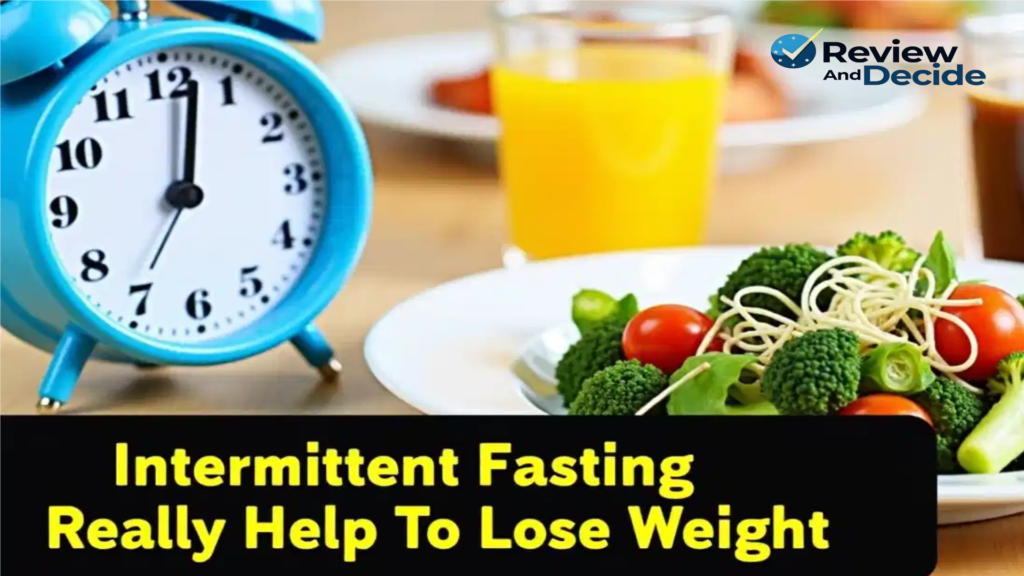
Intermittent Fasting Really Help You Lose Weight
Intermittent Fasting Really Help You Lose Weight explained 2026. What research says, benefits, risks, and real results. Evidence-based guide for healthy weight management. Intermittent fasting (IF) has been one of the most talked-about dietary approaches over the past decade. Promoted widely on social media and supported by influencers, many believe it’s a simple shortcut to weight loss. But what does science really say — especially in 2026 with the latest research reviews and clinical studies?
In this in-depth guide, we explore:
✔ What intermittent fasting is
✔ How it affects weight loss
✔ What the latest systematic reviews and trials show
✔ Pros and cons compared to traditional diets
✔ How it affects metabolism and health
✔ Who may benefit most
We reference government and medical sources throughout for reliable evidence. (Cochrane)
What Is Intermittent Fasting?
Intermittent fasting is a dietary pattern that alternates between periods of eating and periods of fasting. Unlike traditional diets that focus on what you eat, fasting focuses on when you eat.
Common IF approaches include:
- Time-restricted eating (TRE): Eating all meals within a daily window, e.g., 8 hours (like 16:8 fasting).
- Alternate-day fasting: Fasting every other day with very limited calorie intake.
- 5:2 fasting: Normal eating five days per week, and low-calorie intake two days per week.
Research suggests intermittent fasting influences hunger hormones, insulin sensitivity, and calorie intake — but the science on weight loss effectiveness remains mixed. (Harvard Chan School of Public Health)
How Intermittent Fasting Works
1. Hormonal Shift and Hunger Regulation
Fasting has been shown to help suppress levels of ghrelin, the hormone responsible for hunger signals, which can reduce overall appetite and food intake. This effect may help some people naturally consume fewer calories. (Harvard Chan School of Public Health)
2. Metabolic Effects
Some studies suggest that fasting can improve insulin sensitivity, lower fasting insulin, and reduce inflammation, contributing to better metabolic health. (Hopkins Medicine)
3. Energy Deficit
Weight loss fundamentally requires a calorie deficit — burning more calories than consumed. IF often results in fewer eating opportunities, which can lead to overall lower energy intake without strictly counting calories. (PMC)
Does Intermittent Fasting Produce Weight Loss?
Major Scientific Reviews Say It’s Comparable to Other Diets
A large Cochrane systematic review involving 22 randomized controlled trials with nearly 2,000 adults found that intermittent fasting did not result in significantly greater weight loss than traditional calorie-restricted diets or no diet at all. (Cochrane)
This review noted that intermittent fasting exhibited little or no clinically meaningful benefit over standard diet advice and that evidence was limited by short study durations and low sample sizes. (Cochrane)
Another review from the National Library of Medicine concluded that intermittent fasting may result in modest weight loss — but often similar to calorie restriction when total energy intake is controlled. (PMC)
Intermittent Fasting vs Calorie Restriction
Some meta-analyses show that IF and traditional calorie restriction yield very similar weight loss outcomes over periods up to a year. (SMC España)
While certain intermittent fasting regimens, like alternate-day fasting or “4:3 IMF,” have shown modestly higher weight loss in specific trials, the broader evidence does not conclusively favor intermittent fasting as superior. (news.cuanschutz.edu)
Is there a Clinically Meaningful Advantage?
Experts emphasize that although intermittent fasting can lead to weight loss, the actual size of the benefit is often modest — for example, around 3% to 7% of body weight in various studies — and not consistently higher than other eating strategies. (SMC España)
Overall, intermittent fasting appears to be one approach among many that can support weight loss, especially when combined with calorie reduction and healthy food choices.
Scientific Evidence — What the Research Shows
1. Systematic Reviews and Meta-Analyses
- A 2026 Cochrane review found little difference between intermittent fasting and standard diet advice for weight loss, pointing out limitations in long-term evidence. (Cochrane)
- A Harvard School of Public Health review notes that fasting and calorie restriction can be similarly effective for weight loss and cardiometabolic health. (Harvard Chan School of Public Health)
- A PubMed-indexed trial found that IF combined with calorie restriction can produce greater weight loss than calorie restriction alone in people with type 2 diabetes. (Nature)
2. Smaller Controlled Trials
Some trials show that intermittent fasting — particularly alternate-day or modified fasting schedules — can not only support weight loss but also improve measures like body fat, blood glucose, and insulin sensitivity. (PMC)
However, many controlled trials reveal that when calorie intake is kept equal, intermittent fasting does not significantly outperform continuous calorie restriction. (ScienceDirect)
Benefits Beyond Weight Loss
Even if weight loss results are similar to other diet patterns, intermittent fasting may offer other health benefits:
Insulin Sensitivity and Blood Sugar
Some studies show improved insulin response and lower fasting glucose levels with IF regimens. (Hopkins Medicine)
Inflammation and Metabolic Health
Fasting may reduce inflammation and support improved lipid profiles, though evidence varies. (PMC)
Adherence and Simplicity
Some individuals find fasting simpler than daily calorie counting, which can improve adherence and support long-term lifestyle changes. (news.cuanschutz.edu)
Limitations and Risks
1. Short-Term Research
Much of the evidence comes from studies lasting weeks to months, and long-term effects (over years) are still unclear. (Cochrane)
2. Inconsistent Reporting
Many trials don’t include quality of life or satisfaction measures, making it difficult to assess real-world adherence and sustainability. (Cochrane)
3. Individual Variation
Not everyone responds the same way — some people may lose weight effectively with IF, while others see minimal results. (UIC Today)
4. Not a Magic Solution
Weight loss still depends heavily on energy balance — eating fewer calories than you burn. Fasting doesn’t automatically guarantee that outcome. (Healthline)
Who Might Benefit Most from Intermittent Fasting?
✔ People Struggling With Calorie Counting
A fasting schedule may help reduce overall calorie intake without tracking every bite. (PMC)
✔ Those With Mild Insulin Resistance
IF may improve glucose metabolism, especially when focused on longer fasting windows. (Hopkins Medicine)
✔ Individuals Who Prefer Eating Time Structure
Some find eating windows easier to maintain than constant restriction. (Harvard Chan School of Public Health)
How to Practice Intermittent Fasting Safely
If you choose to try intermittent fasting, consider these tips:
1. Hydrate Well
Drink plenty of water during fasting periods.
2. Focus on Nutrient-Rich Foods
During eating windows, prioritize lean proteins, whole grains, vegetables, and healthy fats.
3. Avoid Overeating
Fasting can increase hunger — be mindful to avoid compensatory overeating.
4. Consult a Professional
Speak with a healthcare provider, especially if you have diabetes, cardiovascular disease, or other chronic conditions.
Comparison: Intermittent Fasting vs Other Diets
| Aspect | Intermittent Fasting | Calorie-Restricted Diet |
| Weight Loss | Similar effects | Similar effects |
| Simplicity | Moderate | Moderate |
| Insulin Sensitivity | Possible benefit | Possible benefit |
| Sustainability | Individual | Individual |
| Appetite Control | May benefit some | Ok for many |
Expert Opinions
Experts stress that while intermittent fasting can be a reasonable option for weight management, current evidence does not support the idea that it is clearly superior to traditional diets. (Cochrane)
Some research suggests certain fasting strategies like alternate-day fasting may produce more weight loss than simple calorie restriction, but these findings are not universal and Require further large-scale studies. (news.cuanschutz.edu)
What to Expect If You Try It
Most evidence shows that individuals who adopt intermittent fasting may:
✔ Lose weight modestly — often a few percent of body weight
✔ Experience better appetite control
✔ Improve some metabolic markers
✔ Still require mindful eating during eating windows
But results vary, and fasting alone is not a guaranteed pathway to significant weight loss. (Healthline)
Weight Loss & Fitness Category
Natural Fat Burning Ingredients Explained (2026
How Natural Fat Burning Ingredients Work With Diet & Exercis
Comparisons
Best Weight Management Solutions Compared (2026 Honest Buyer Guide
Conclusion
Intermittent fasting is a widely discussed dietary pattern that can support modest weight loss, improved insulin response, and better eating habits for some people. However, the latest evidence — including major systematic reviews — concludes that it is generally no more effective than traditional calorie-restricted diets for weight loss in adults. (Cochrane)
If you are considering intermittent fasting, it may be worth trying under guidance from a qualified health professional, especially if you have underlying health conditions. Like any diet strategy, its success depends on consistency, calorie balance, and overall lifestyle habits.
Frequently Asked Questions
Does intermittent fasting actually cause weight loss?
Intermittent fasting can support weight loss mainly by helping reduce overall calorie intake. Studies show it is generally similar in effectiveness to traditional calorie-restricted diets.
Is intermittent fasting better than calorie counting?
Most research indicates intermittent fasting is not significantly better than calorie counting. Both approaches can lead to weight loss when they create a calorie deficit.
How long does it take to see results with intermittent fasting?
Some people notice changes within 2–4 weeks, but meaningful weight changes usually take 1–3 months depending on diet quality and consistency.
Is intermittent fasting safe?
For most healthy adults, intermittent fasting is considered safe. People with medical conditions should consult a healthcare professional first.
Can I drink coffee or water while fasting?
Yes. Plain water, black coffee, and unsweetened tea are commonly allowed during fasting periods.
Disclaimer
This article is for informational and educational purposes only. It does not constitute medical advice. Consult a qualified healthcare professional before starting any diet or weight-loss program.
References Sources
- Cochrane Review: Intermittent fasting vs standard diet (Cochrane)
- Harvard T.H. Chan School of Public Health on fasting benefits (Harvard Chan School of Public Health)
- PubMed clinical findings on intermittent fasting (PMC)
Additional meta-analyses and clinical trials (Nature)
Related Diet Guide
Informational Hub
For a complete breakdown of how the program works and what’s included, visit our
Compare Similar Weight Management Options
Looking to explore other popular weight management solutions before making a decision?
Want to explore other popular weight management options before making a decision?
Compare All Weight Management Solutions
According to major health authorities like the Centers for Disease Control and Prevention (CDC) and the National Institutes of Health (NIH), sustainable weight management depends on balanced nutrition, routine physical activity, adequate sleep, and long-term behavior change. Intermittent fasting may support balanced eating patterns, but it is not a cure or guaranteed solution for weight loss on its own.