
Lycopene and Prostate Health: Benefits, Research & BPH Support (2026 Guide)
Learn how lycopene and prostate health are connected. Explore research on antioxidants, prostate function, and dietary support for men over 40 in this 2026 guide. As men age, changes in prostate health become increasingly relevant. Many individuals begin exploring nutritional strategies that may support normal prostate function and overall well-being. Among these, lycopene has gained attention due to its role as a naturally occurring antioxidant found in tomatoes and other red fruits.
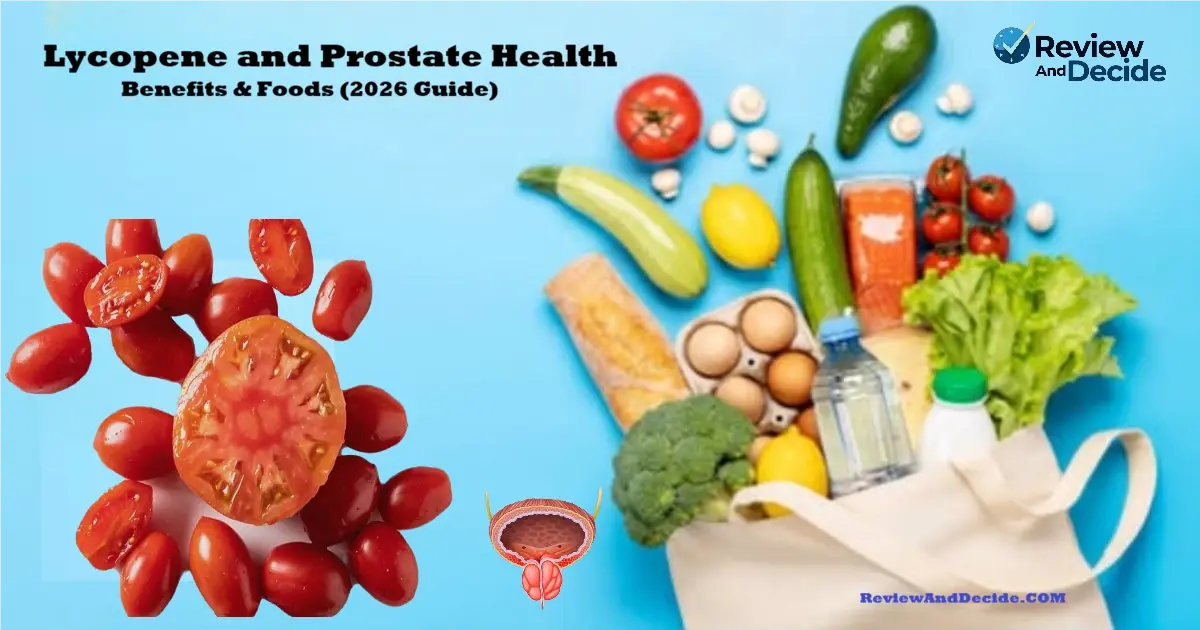
Lycopene-rich foods like tomatoes are commonly studied for their antioxidant role in prostate health and dietary support.
The relationship between lycopene and prostate health has been the subject of scientific research, particularly in the context of aging, oxidative stress, and cellular balance. While it is not a treatment or cure, lycopene is often discussed in educational and nutritional contexts as part of a balanced dietary approach.
This guide explores what current research suggests about lycopene, how it interacts with biological systems, and where it fits within broader discussions of prostate health.
📜 POLICY DECLARATION
This content follows Google Helpful Content guidelines, EEAT principles, and YMYL safety standards. It is written using neutral, research-based language without making unsupported claims.
OXIDATIVE STRESS AND PROSTATE FUNCTION
Oxidative stress is a natural biological process that tends to increase with age. It occurs when there is an imbalance between free radicals—highly reactive molecules produced during normal metabolism—and the body’s antioxidant defense systems.
Over time, this imbalance may influence cellular stability and contribute to age-related physiological changes. In the context of prostate health, oxidative stress is often discussed in relation to how cells respond to environmental, metabolic, and hormonal factors.
Within prostate tissue:
• Cells may undergo gradual oxidative modifications as part of the aging process
• Inflammatory signaling pathways may become more active under oxidative conditions
• Cellular communication and tissue function may adapt over time
• Structural and functional changes may occur as part of normal biological aging
These processes are complex and interconnected, and they are commonly explored in scientific research examining prostate function and long-term health patterns.
Antioxidants play an important role in maintaining cellular balance by helping neutralize free radicals. Compounds such as lycopene are frequently studied for their potential to support the body’s natural antioxidant systems. Lycopene, in particular, is known for its strong free radical–scavenging properties and its ability to accumulate in prostate tissue.
While research continues to explore the exact mechanisms involved, antioxidants are generally considered part of a broader nutritional approach that supports cellular resilience and overall physiological balance.
DIETARY SOURCES OF LYCOPENE
Lycopene is naturally present in a variety of red and pink fruits and vegetables, with tomatoes being the most widely recognized and studied source. As a dietary carotenoid, its intake depends largely on regular consumption of plant-based foods that contain this compound.
Common dietary sources of lycopene include:
• Tomatoes, particularly cooked or processed forms such as stewed tomatoes
• Tomato-based products, including tomato paste, sauces, and juice
• Watermelon
• Pink grapefruit
• Red bell peppers
• Papaya and other red-hued fruits
Among these, tomatoes and tomato-derived foods contribute the highest proportion of lycopene intake in many diets.
One important factor influencing lycopene absorption is food preparation. Cooking tomatoes—especially when combined with healthy fats such as olive oil—can significantly increase lycopene bioavailability. This means the body may absorb and utilize lycopene more efficiently from cooked or processed sources compared to raw tomatoes.
Additionally, dietary fat plays a supportive role in absorption because lycopene is a fat-soluble compound. Including small amounts of healthy fats alongside lycopene-rich foods may help enhance its uptake in the digestive system.
Overall, incorporating a variety of lycopene-containing foods into a balanced diet is commonly discussed as part of general nutritional strategies that support antioxidant intake and overall health.
LYCOPENE BIOAVAILABILITY AND ABSORPTION
The absorption of lycopene in the human body is influenced by several biological and dietary factors. As a fat-soluble carotenoid, lycopene requires specific conditions within the digestive system to be effectively absorbed and utilized.
Key factors that affect lycopene bioavailability include:
• Presence of dietary fat — Since lycopene is fat-soluble, consuming it alongside healthy fats such as olive oil, nuts, or avocados can enhance its absorption
• Food preparation methods — Cooking, processing, and mechanical breakdown (such as blending) can increase lycopene availability by releasing it from plant cell structures
• Digestive efficiency — Individual differences in digestion, metabolism, and gut health may influence how effectively lycopene is absorbed
• Food matrix and combinations — The overall composition of a meal can impact how nutrients interact and are absorbed
For example, consuming cooked tomatoes with a source of healthy fat—such as olive oil—may significantly improve lycopene uptake compared to consuming raw tomatoes alone.
Additionally, lycopene exists in different structural forms, including trans and cis isomers. Research suggests that certain processing methods can convert lycopene into forms that may be more readily absorbed by the body.
While absorption efficiency can vary between individuals, these factors highlight the importance of dietary context when considering how nutrients like lycopene are utilized. Understanding bioavailability helps explain why both food choice and preparation play a role in nutritional outcomes.
AGE-RELATED PROSTATE CHANGES
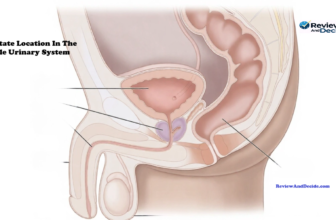
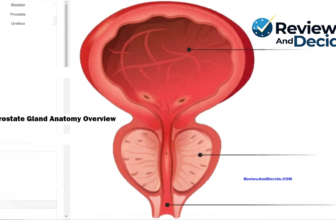
As men age, the prostate may gradually undergo a range of structural and functional changes. These changes are considered part of normal biological aging and are influenced by a combination of hormonal, cellular, and metabolic factors.
Over time, the prostate can adapt in ways that reflect shifts in internal physiological processes. These adaptations are commonly associated with:
• Hormonal fluctuations — Age-related changes in androgen activity, including testosterone and its derivatives, may influence prostate tissue behavior
• Cellular growth patterns — Variations in how prostate cells grow, divide, and respond to signaling mechanisms can contribute to gradual tissue changes
• Tissue remodeling — Structural adjustments within the prostate may occur as part of long-term biological maintenance and aging
In many cases, these processes are discussed in the context of benign prostate enlargement, a non-cancerous condition that becomes more common with age. This condition is often linked to how prostate tissue responds to hormonal signals and long-term cellular activity.
Understanding these mechanisms in greater detail can provide useful context for broader prostate health discussions.
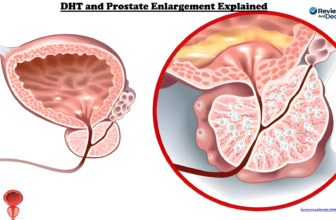
For a deeper explanation of these biological and age-related factors, see “what causes an enlarged prostate”, where the underlying mechanisms of prostate growth are explored in more detail.
ROLE OF ANTIOXIDANTS IN PROSTATE RESEARCH
Antioxidants are widely studied in nutritional and biomedical research due to their role in maintaining cellular balance and interacting with various biological processes. These compounds help neutralize free radicals, which are naturally produced during metabolism and may increase under certain physiological conditions.
In the context of prostate-related research, antioxidants are often examined for how they interact with cellular environments and long-term tissue function. Scientific discussions typically explore their role within broader dietary and lifestyle patterns rather than as isolated solutions.
Within prostate health discussions:
• Support for cellular balance — Antioxidants may contribute to maintaining equilibrium between oxidative and protective mechanisms at the cellular level
• Interaction with inflammatory pathways — Research explores how antioxidants may influence signaling processes associated with inflammation and immune responses
• Contribution to dietary patterns — Diets rich in antioxidant-containing foods are frequently associated with overall health and nutritional balance
Lycopene is one of several antioxidant compounds studied in this context. It is often examined alongside vitamins (such as vitamin C and E), minerals (such as zinc), and other plant-based phytonutrients that contribute to a diverse and nutrient-rich diet.
Rather than focusing on a single compound, current research generally emphasizes the importance of combined dietary intake, where multiple antioxidants work together within complex biological systems.
LYCOPENE AND HORMONAL INTERACTIONS
Hormones play a central role in regulating prostate function, particularly androgens such as testosterone and dihydrotestosterone (DHT). These hormones influence prostate development, cellular activity, and long-term tissue maintenance through their interaction with androgen receptors.
Within the prostate, DHT is considered a key regulatory hormone due to its strong binding affinity to androgen receptors. This interaction helps guide how prostate cells grow, differentiate, and respond to internal biological signals over time.
In nutritional research, some studies explore how antioxidant compounds may interact indirectly with hormonal environments. Rather than directly altering hormone levels, antioxidants are typically examined for their potential influence on cellular conditions that may affect how tissues respond to hormonal signaling.
For example:
• Antioxidants may contribute to maintaining cellular balance in hormone-responsive tissues
• They may interact with oxidative and inflammatory pathways that influence hormonal signaling environments
• They are often studied within broader dietary patterns that support metabolic and endocrine health
However, it is important to note that the relationship between antioxidants such as lycopene and hormonal pathways is complex and not fully established. Current research does not support the idea that dietary antioxidants directly regulate hormone production or act as hormonal treatments.
For a deeper understanding of how androgen activity influences prostate tissue over time, see “the role of DHT in prostate enlargement”, which explains the biological connection between hormones and prostate growth.
LIFESTYLE AND PROSTATE HEALTH
Prostate health is influenced by a combination of interconnected lifestyle factors that affect overall physiological balance. Rather than being determined by a single variable, prostate function is often discussed within the broader context of long-term health habits and daily routines.
Key lifestyle factors commonly associated with prostate health include:
• Dietary patterns — A balanced diet rich in whole foods, including fruits, vegetables, healthy fats, and essential nutrients, is frequently emphasized in nutritional research
• Physical activity — Regular movement and exercise may support metabolic health, circulation, and hormonal balance
• Sleep patterns — Consistent and restorative sleep plays a role in regulating hormones and maintaining overall physiological function
• Stress levels — Chronic stress may influence hormonal signaling and inflammatory responses within the body
These factors do not operate independently; instead, they interact within complex biological systems that influence how the body adapts over time.
Within this broader lifestyle framework, lycopene is typically discussed as one component of a nutrient-rich diet. It is not considered a standalone solution but rather part of a combined approach that includes multiple dietary and behavioral factors supporting general health.
Lifestyle-related changes may also be connected to urinary patterns and age-related changes, as discussed in “frequent urination in men over 40”, where symptom patterns are explored in more detail.
TRANSPARENCY & SCIENTIFIC CONTEXT
This article is developed using publicly available scientific literature, nutritional research, and educational resources related to prostate health and dietary compounds such as lycopene. The purpose of this content is to explain biological mechanisms and research observations in a clear, balanced, and accessible manner.
All information presented is based on general scientific understanding rather than definitive clinical conclusions. Research discussed in this article often reflects observational findings, laboratory studies, or population-based analyses, which may describe associations rather than direct cause-and-effect relationships.
To maintain accuracy and transparency:
• The content avoids overstating research outcomes or presenting preliminary findings as established facts
• Scientific concepts are explained using neutral, evidence-aware language
• Variability between individuals and study results is acknowledged
• No claims of guaranteed outcomes, treatments, or medical effectiveness are made
Lycopene is discussed within the broader context of dietary patterns and nutritional science, rather than as an isolated or standalone solution. The goal is to provide readers with a realistic understanding of how such compounds are studied and interpreted within current research frameworks.
This approach aligns with widely recognized standards for responsible health content, emphasizing clarity, accuracy, and context over simplified or exaggerated claims.
EVIDENCE-BASED POSITION
Current research on lycopene and prostate health is primarily based on observational studies, experimental models, and controlled clinical investigations that explore dietary patterns and biological markers. These studies often examine how antioxidant intake may be associated with prostate-related outcomes, rather than establishing direct cause-and-effect relationships.
While some findings suggest potential associations between lycopene consumption and markers related to prostate function, results are not fully consistent across all studies. Variations in study design, population groups, dosage levels, and dietary context can influence outcomes and interpretations.
Across the scientific literature, several key themes are consistently emphasized:
• Nutritional context matters — Lycopene is typically studied as part of a broader dietary pattern that includes multiple nutrients and plant-based compounds
• Individual responses vary — Differences in metabolism, genetics, lifestyle, and overall health may affect how individuals respond to dietary components
• Research is ongoing — Long-term, large-scale studies are still needed to better understand the relationship between antioxidants and prostate-related biological processes
Because of these factors, lycopene is best understood within the context of overall nutrition rather than as a standalone intervention. Current evidence supports its role as part of a balanced dietary approach that contributes to general health, rather than as a definitive solution for specific prostate conditions.
WHERE SUPPLEMENTS FIT (CONTEXTUAL CLARIFICATION)
In discussions about prostate health, some individuals choose to explore dietary supplements that contain antioxidants, vitamins, minerals, and plant-based compounds. These products are typically presented within informational and nutritional contexts rather than as medical treatments or guaranteed solutions.
From a scientific perspective, supplements are generally evaluated based on their ingredient composition and how those components are studied in relation to broader health patterns. Many formulations combine multiple compounds—such as antioxidants, botanical extracts, and micronutrients—that are individually researched for their roles in cellular processes and nutritional support.
It is important to understand that:
• Supplements are not intended to replace a balanced diet or healthy lifestyle
• Research on supplement formulations often focuses on individual ingredients rather than complete products
• Effects may vary depending on personal health status, diet, and lifestyle factors
• No supplement should be considered a substitute for professional medical care
Within educational content, supplements are best understood as part of a wider discussion that includes diet, lifestyle, and overall health awareness.
For example, some formulations are analyzed in our ProstaVive support supplement review, where ingredient combinations and research context are examined in a structured, evidence-aware manner.
WHAT SCIENCE CONSISTENTLY EMPHASIZES
Across a wide range of nutritional and public health studies, several consistent themes emerge when examining diet and long-term health, including discussions related to prostate function. Rather than focusing on isolated nutrients, scientific literature generally emphasizes the importance of overall dietary patterns and lifestyle context.
Key principles highlighted across research include:
• Balanced dietary patterns matter — Diets that include a variety of nutrient-dense foods are consistently associated with better overall health outcomes compared to restrictive or single-nutrient approaches
• Whole foods provide synergistic benefits — Fruits, vegetables, whole grains, and healthy fats contain a combination of vitamins, minerals, fiber, and phytonutrients that work together within biological systems
• No single nutrient acts as a standalone solution — Compounds such as lycopene are studied within broader nutritional frameworks, and their effects are typically interpreted alongside other dietary and lifestyle factors
These findings align with widely recognized public health recommendations that promote dietary diversity, moderation, and consistency over time. Organizations such as global health and nutrition institutions commonly encourage whole-food-based eating patterns rather than reliance on isolated compounds or short-term strategies.
In this context, lycopene is best understood as one component within a larger nutritional ecosystem that supports general health and physiological balance.
RESEARCH METHODOLOGY
This article is developed using a structured review of publicly available scientific and educational sources related to nutrition, antioxidants, and prostate health. The goal is to present information in a clear, balanced, and evidence-aware manner while maintaining scientific accuracy and contextual understanding.
The content is informed by multiple types of research and reference materials, including:
• Peer-reviewed research papers — Studies published in scientific journals that examine nutritional compounds, oxidative stress, and prostate-related biological processes
• Nutritional science literature — Academic and clinical discussions focused on diet, antioxidants, and micronutrient interactions within the body
• Public health resources — Educational materials and guidelines from recognized health organizations and research institutions
• Observational and experimental studies — Research that explores associations, biological mechanisms, and controlled outcomes in different populations
Where applicable, findings are interpreted within their proper context, recognizing that different study designs may produce varying results. Observational research may highlight associations, while experimental studies explore mechanisms under controlled conditions.
All information is presented using neutral, evidence-aware language to avoid overstating conclusions. The article prioritizes clarity, accuracy, and responsible interpretation of scientific data rather than definitive or simplified claims.
EDITORIAL TRANSPARENCY STATEMENT
Our platform operates as an educational health publisher focused on presenting clear, research-informed information about scientific concepts, nutritional topics, and general health discussions. The purpose of our content is to help readers better understand how biological systems, lifestyle factors, and current research findings are interpreted within a broader educational context.
All articles are written using a neutral and evidence-aware approach. We aim to explain complex topics in an accessible manner while maintaining accuracy and avoiding exaggerated or misleading claims.
To ensure transparency and editorial integrity:
• Content is based on publicly available research, scientific literature, and educational sources
• Information is presented in a balanced format without promoting unrealistic expectations or outcomes
• No fabricated data, testimonials, or unsupported claims are included
• Commercial references, where present, are integrated in an informational and non-promotional manner
We do not provide medical diagnoses, treatment recommendations, or personalized health advice. Readers are encouraged to interpret the information as general educational guidance and consult qualified healthcare professionals for individual medical concerns.
EVIDENCE INTEGRITY COMMITMENT
We are committed to maintaining a high standard of accuracy, transparency, and responsibility in all published content. Our approach prioritizes clear, evidence-aware communication that reflects current scientific understanding without overstating conclusions.
To uphold evidence integrity, we follow these core principles:
• Accuracy over exaggeration — Information is presented carefully, avoiding sensational language or unsupported claims
• Evidence-based explanations — Content is grounded in scientific literature, research findings, and established educational resources
• Clear distinction between research and claims — Observational findings, experimental data, and theoretical discussions are clearly separated from definitive conclusions
• Contextual interpretation — Scientific information is explained within its proper context, acknowledging limitations and variability across studies
We recognize that health-related research is continuously evolving. As such, all information is presented with appropriate caution, emphasizing that findings may differ depending on methodology, population, and emerging evidence.
Our goal is to provide readers with reliable, balanced, and trustworthy information that supports informed understanding rather than simplified or overstated conclusions.
FINAL EDUCATIONAL SUMMARY
Lycopene is a naturally occurring antioxidant found in commonly consumed foods such as tomatoes and other red or pink fruits. It has been widely studied in nutritional science for its role in antioxidant activity and its presence within prostate tissue, particularly in the context of aging and oxidative stress.
Current research explores how lycopene interacts with biological systems, including its potential involvement in cellular protection and overall physiological balance. While some studies suggest associations between dietary lycopene intake and prostate-related markers, these findings are interpreted within broader dietary and lifestyle frameworks rather than as definitive outcomes.
From an evidence-based perspective, lycopene is best understood as one component of a balanced and nutrient-rich diet. Its role is typically discussed alongside other dietary factors, lifestyle habits, and long-term health patterns that collectively influence overall well-being.
Maintaining prostate health—and general health more broadly—depends on multiple interconnected factors, including nutrition, physical activity, sleep, and regular medical evaluation. As such, no single nutrient is considered a standalone solution, and health outcomes are shaped by a combination of consistent lifestyle practices over time.
EDUCATIONAL INTENT DISCLAIMER
This article is provided for informational and educational purposes only. The content is designed to explain general scientific concepts, nutritional research, and health-related topics in a clear and accessible manner.
It is not intended to replace professional medical advice, diagnosis, or treatment. The information presented should not be used as a substitute for consultation with a qualified healthcare provider who can evaluate individual health conditions and provide personalized guidance.
Readers are encouraged to interpret the content as general educational material and not as medical instruction. Health-related decisions should always be made in consultation with licensed medical professionals, particularly in cases involving symptoms, existing conditions, or ongoing treatments.
Individual responses to dietary and lifestyle factors may vary, and outcomes cannot be guaranteed. The purpose of this content is to support awareness and understanding, not to provide medical direction.
FREQUENTLY ASKED QUESTIONS (FAQ)
What is lycopene?
Lycopene is a plant-based antioxidant found in red fruits such as tomatoes and watermelon.
Is lycopene important for prostate health?
Research suggests lycopene may play a role in antioxidant activity, which is studied in relation to prostate health.
Can lycopene prevent prostate enlargement?
There is no conclusive evidence that lycopene prevents prostate enlargement. It is studied as part of a broader dietary approach.
What foods contain lycopene?
Tomatoes, tomato products, watermelon, and pink grapefruit are common sources.
Does cooking affect lycopene?
Yes, cooking tomatoes can increase lycopene bioavailability, making it easier for the body to absorb.
Should I take lycopene supplements?
Supplement use should be discussed with a healthcare professional based on individual needs.
CONCLUSION
The relationship between lycopene and prostate health reflects a broader understanding of how nutrition interacts with the human body. As research continues, dietary patterns rich in fruits and vegetables remain a central theme in maintaining general well-being. Rather than focusing on a single compound, long-term health is supported by consistent lifestyle habits and informed choices.
For more science-informed articles exploring prostate function, hormones, nutrition, and age-related changes, visit our prostate health research hub.
MEDICAL DISCLAIMER
This content is provided for educational and informational purposes only and should not be considered medical advice, diagnosis, or treatment. The information presented is based on general research and is intended to explain health-related concepts in a neutral and evidence-aware manner.
Nothing in this article should be interpreted as a recommendation to diagnose, treat, cure, or prevent any medical condition. Individual health needs and responses may vary, and the content does not account for personal medical history, current conditions, or specific health requirements.
Readers are strongly encouraged to consult a qualified healthcare professional for any medical concerns, symptoms, or decisions related to their health. Only licensed medical providers can offer personalized advice, clinical evaluation, and appropriate treatment recommendations.
If you are experiencing symptoms or have concerns related to prostate health or any other condition, seeking professional medical guidance is essential.
📚 HIGH-AUTHORITY REFERENCES
- National Institutes of Health (NIH) – Nutrition Research
- Harvard T.H. Chan School of Public Health
- Mayo Clinic – Prostate Health
- World Health Organization (WHO) Nutrition Resources